Does anyone actually need to read 1,088 pages, complete with footnotes? I’ll keep this posted just under 1088 pages I did —but if, like me, you cannot resist spending some time with one of the finest and most fragile intellects of our age, give this enormous tome a try. I recommend the e-book, both to save your wrists and your sanity, as you negotiate from footnote to text and back again.
I rather enjoyed this book and much of it still resonates with me. It didn’t seem more that long and that’s part of the journey..
What’s the best advice you’d give to someone younger than you?
I’m not a big fan of unsolicited advice. I only give advice if asked.
So I’ll go generic and a little bit off script.
I would like to emphasize that being normal, is a sad state of affairs. Don’t be afraid to be different a little weird have paint on your shirt, venture into the arts, speak, lots of languages, go to obscure places in the world, and by all means it doesn’t take much energy to be nice.
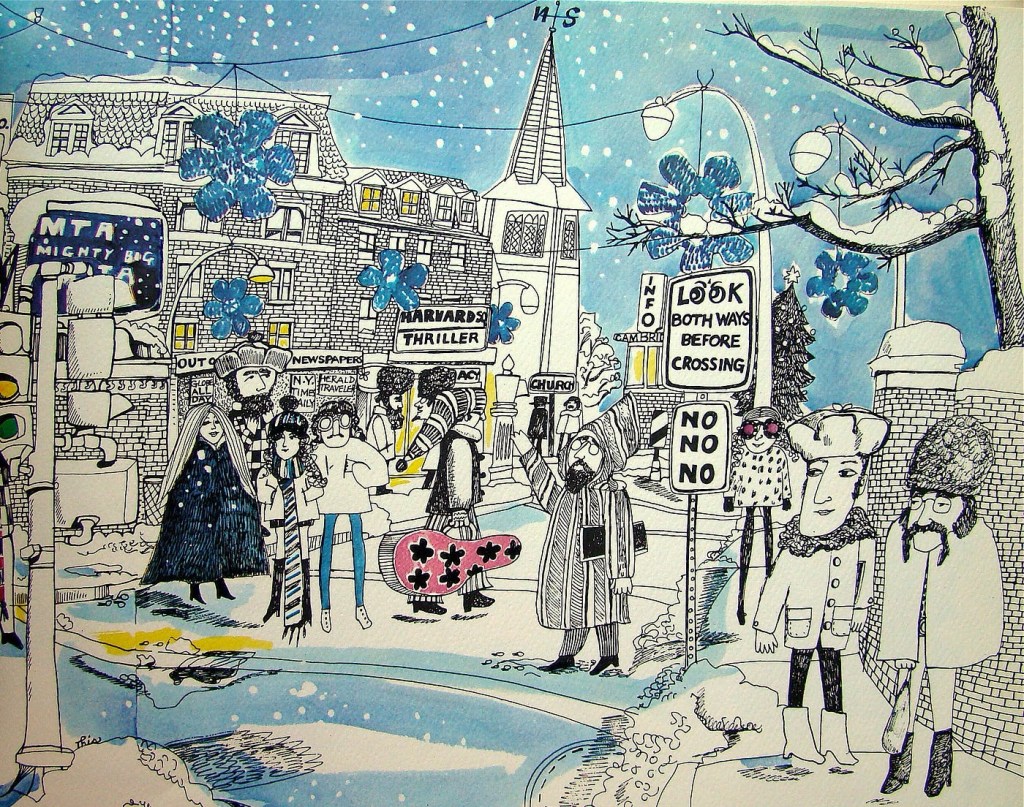
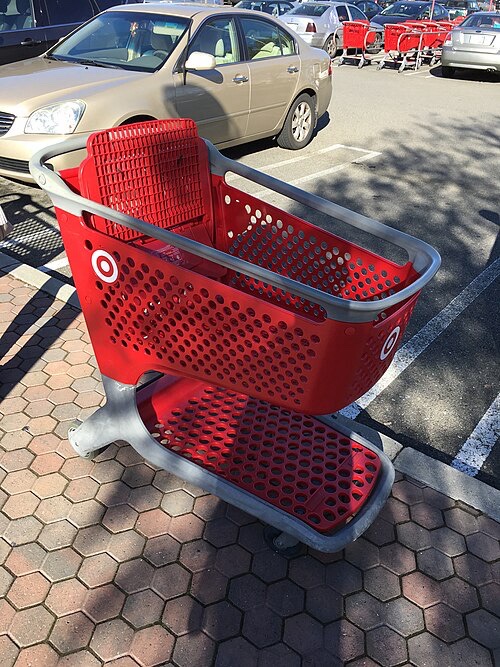
So return those shopping carts, help, little old ladies across the street and by all means listen to Miles Davis as much as possible.
Shopping Cart Theory
The Shopping Cart Theory states that returning a shopping cart is the ultimate test of a person’s moral character and capacity for self-governance because there is no punishment for leaving it behind and no reward for taking it back.
It seems like it has been forever, and I wish it was long strange trip.
It Takes a Toll
The psychological impact of political corruption and systemic ethical breakdown—often discussed by critics as a “reign of corruption” under Donald Trump—exerts a profound toll on the public psyche. Political scientists, psychologists, and sociologists categorize these widespread psychological effects into distinct collective behaviors and emotional responses